
NPS Threat Level 3 – High-Priority Alert
Guyana’s Early Warning System has identified emerging threats involving MDMA, THC vape cartridges, THC-infused beverages, Delta-8/Delta-9 THC mixtures, and suspected synthetic cannabinoids. These products present elevated risks due to youth-targeted packaging, unknown potency, possible adulterants, and discreet trafficking methods.
Alert Level:
Level 2 – Emerging Circulation Confirmed
Date: January 3 / 7, 2026
Location: Georgetown, Region 4
Status: Confirmed by GFSL
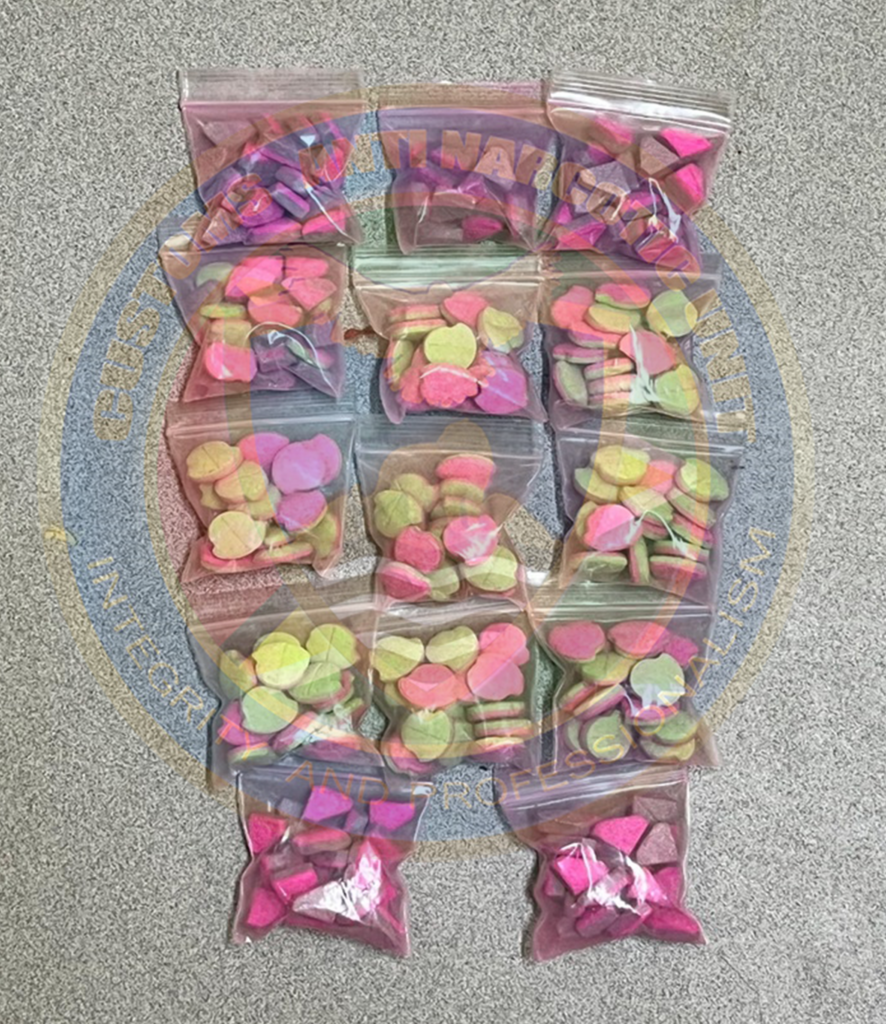
Summary: CANU intercepted a vehicle with three occupants and seized multiple brightly coloured tablets. Field testing indicated amphetamine-type stimulants, later confirmed by GFSL as MDMA.
CANU classified this as EWS Notice Level 2 – Emerging Circulation Confirmed.
Public Risk: Overheating, dehydration, rapid heart rate, confusion, agitation, collapse, seizures, and increased danger when mixed with alcohol or other drugs.
Alert Level: Level 3 – High Priority
Date: January 15, 2026
Location: Campbellville, Georgetown, Region 4
Status: Seized; laboratory analysis earmarked
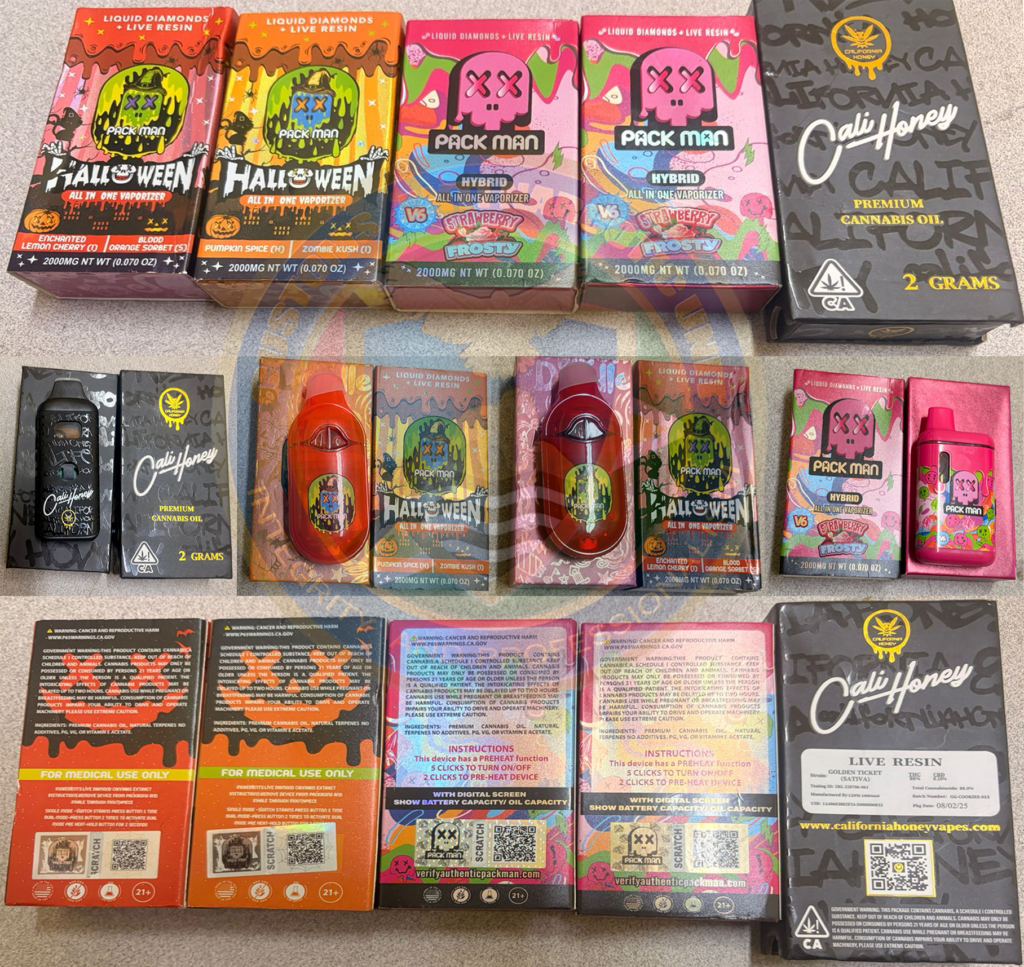
Summary: CANU seized multiple branded THC cannabis vape cartridges. The products were professionally packaged, colourful, and designed to appeal to youths, indicating a shift toward high-potency cannabis concentrates disguised as consumer vape products.
Public Risk: High THC concentration, unknown contaminants, youth appeal, and illegal importation or distribution in Guyana.
Alert Level: Level 3 – High Priority
Date: February 4, 2026
Location: Essequibo Coast, Region 2
Status: Preliminary positive test
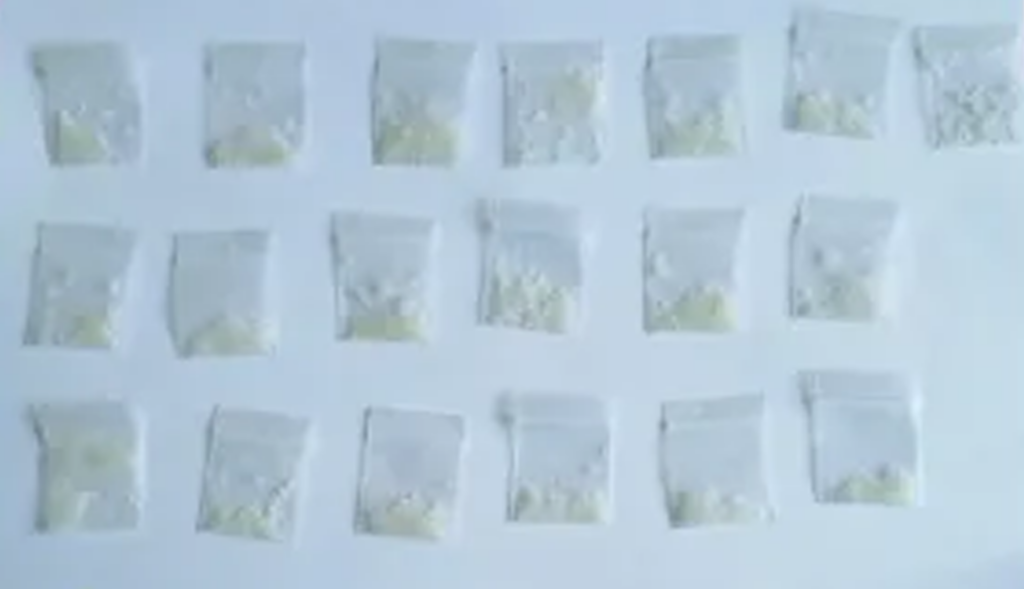
Summary: Police responded to a secondary school where small zip-lock bags containing suspected MDMA/Molly were found in the possession of two students and inside a classroom. The suspected narcotics weighed 5.82 grams, and two juveniles aged 14 and 15 were involved.
Public Risk: Youth exposure, school-based circulation, overdose risk, unknown adulterants, and potential spread through student networks.
Alert Level: Level 3 – High Priority
Date: March 19, 2026
Location: Cheddi Jagan International Airport, Region 4
Status: Seized
Quantity: 222 cans
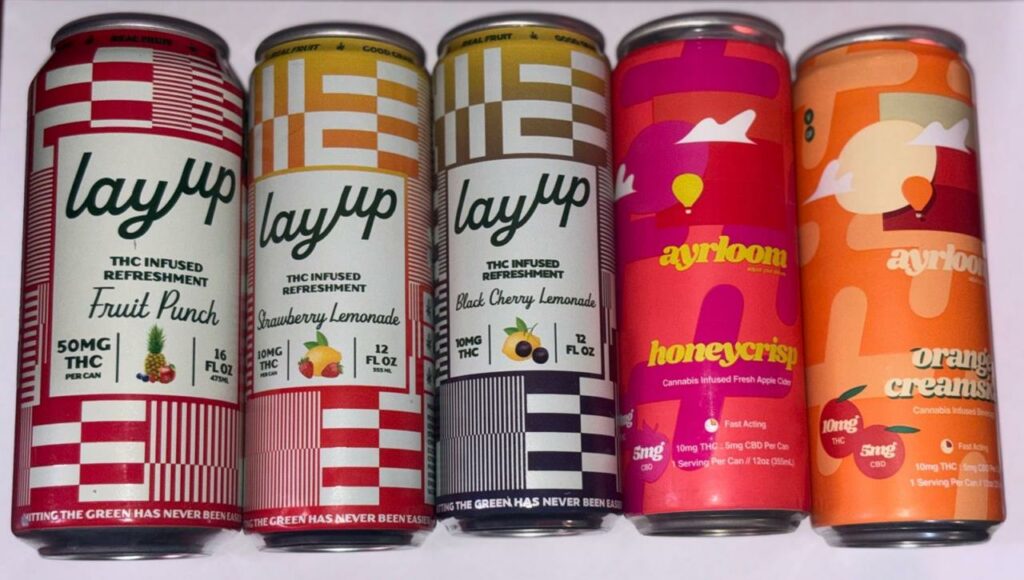
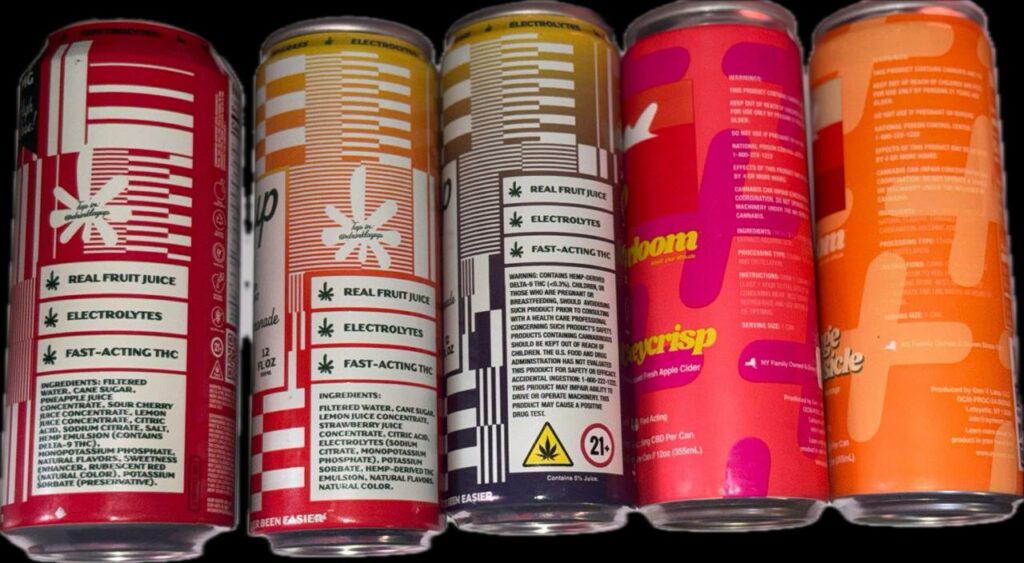
Summary: CANU intercepted 222 cans of suspected THC-infused beverages concealed in two storage tote bins at CJIA. The products resembled ordinary soft drinks and were hidden among clothing and other mixed items.
Public Risk: Accidental youth consumption, discreet trafficking through cargo systems, intoxication, panic attacks, hallucinations, and overdose risk through beverages.
Alert Level: Level 3 – High Priority
Date: April 15, 2026
Location: Eccles, East Bank Demerara, Region 4
Status: THC confirmed; synthetic cannabinoids suspected / to be confirmed
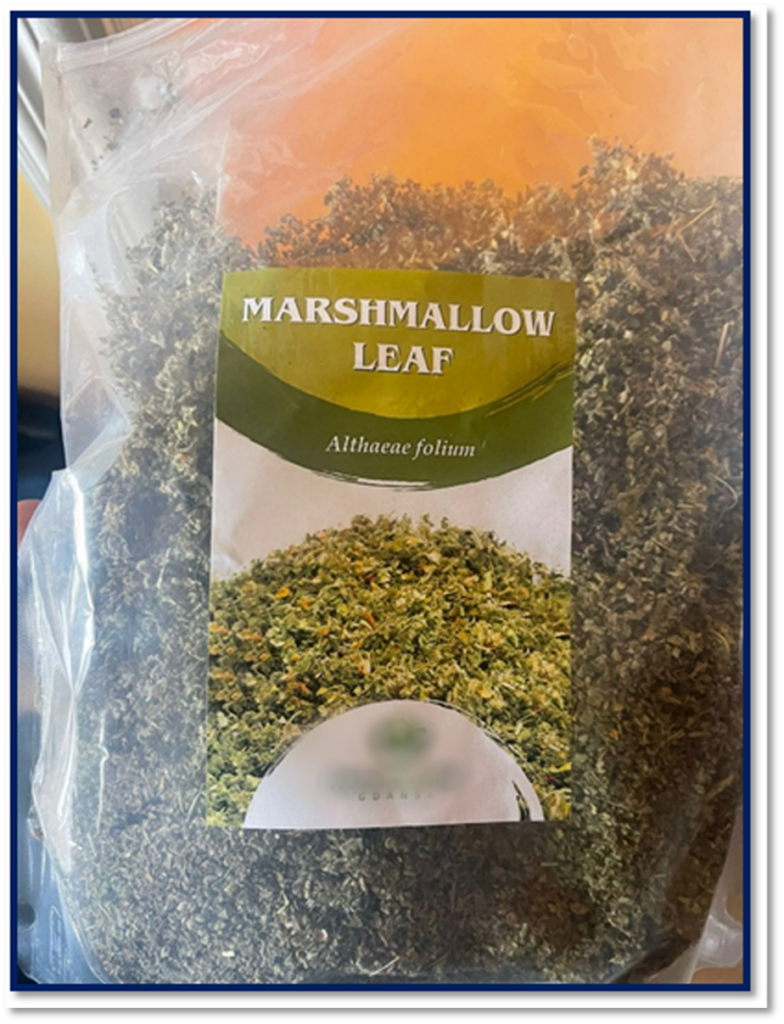
Substances: Delta-9-THC, Delta-8-THC, suspected MDMB-4en-PINACA, suspected ADB-INACA, marshmallow leaf carrier material
Summary: GFSL confirmed Delta-9-THC and Delta-8-THC in plant-based material, with suspected synthetic cannabinoids detected. The product used marshmallow leaf as carrier material, suggesting cannabinoids may have been sprayed or mixed into herbal material.
Public Risk: Severe impairment, acute poisoning, psychosis, seizures, cardiac stress, loss of consciousness, and death in extreme cases.
| SUBSTANCES | CATEGORY | EWS STATUS (GUY) | MAIN RISK |
MDMA / Ecstasy | Synthetic stimulant/empathogen | Confirmed | Overheating, seizures, dehydration, adulteration |
THC Vape Cartridges | Cannabis extract/concentrate | Seized/monitored | High THC potency, youth appeal, unknown contaminants |
THC-Infused Beverages | Cannabis edible / beverage | Seized / Level 3 | Accidental youth use, intoxication, overdose risk |
Delta-8-THC | THC isomer/analogue | Confirmed | Psychoactive impairment, unregulated potency |
| Delta-9-THC | Cannabis psychoactive compound | Confirmed | Impairment, intoxication, panic, hallucinations |
MDMB-4en-PINACA | Suspected synthetic cannabinoid | To be confirmed | Severe toxicity, poisoning, death risk |
| ADB-INACA | Suspected synthetic cannabinoid | To be confirmed | Severe adverse reactions, possible death risk |
| Marshmallow Leaf Carrier | Herbal carrier material | To be confirmed | Used to disguise or carry sprayed cannabinoids |
CANU / Guyana EWS
“From Detection to Action: Building a Rapid Response Network for Emerging Drug Threats.”
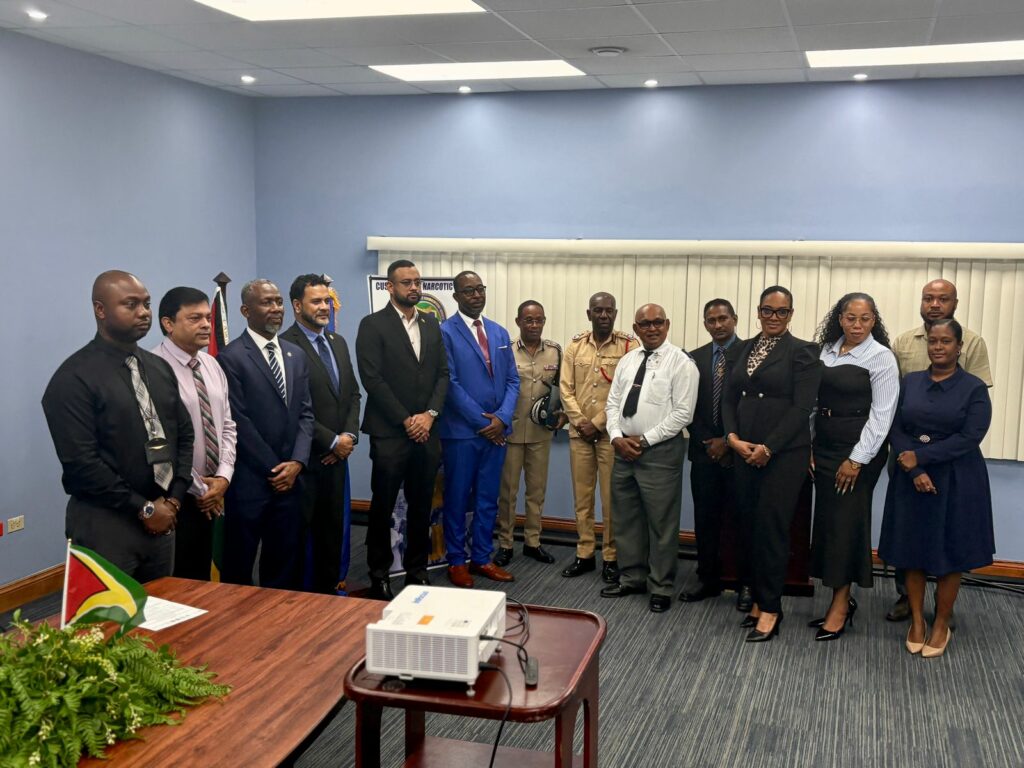
In October 2025, the National Early Warning System (EWS) on Drugs was introduced. This system is made to identify and react to changing drug threats and new psychoactive substances (NPS). A robust network of national, regional, and international partners powers the Guyana Early Warning System (EWS), each contributing specialised knowledge to ensure rapid detection, analysis, and response to emerging drug threats.
At the national level, the core partners include:
Customs Anti-Narcotic Unit (CANU) – the lead coordinating agency responsible for intelligence sharing, interagency collaboration, and national EWS oversight.
The Guyana Drug Information Network (GUYDIN) – connects all participating agencies and serves as a central hub for data collection, analysis, and reporting. In its capacity as the National Drug Observatory (NDO), GUYDIN guarantees integration with the National Drug Strategy Master Plan 2022–2026 and coordinates national data reporting.
Guyana Forensic Science Laboratory (GFSL) – Provides scientific confirmation and chemical profiling of new psychoactive substances (NPS).
Ministry of Health (MoH) – Supports clinical surveillance, toxicological data reporting, and public health alerts.
Ministry of Education (MoE) – Health and Family Life Education (HFLE) Unit – Promotes drug prevention education and awareness in schools and communities.
Ministry of Home Affairs (MoHA) – Provides policy guidance, governance, and strategic oversight of national drug control frameworks.
Guyana Police Force (GPF) and Guyana Revenue Authority (GRA) – Customs Division – Contribute intelligence, seizure data, and law enforcement insights.
Ministry of Human Services and Social Security – Supports treatment and rehabilitation linkages for individuals affected by substance use.
Civil Society and Community-Based Organisations – Assist with early field reporting, prevention outreach, and awareness campaigns.

At the regional and international level, key partners include:
Inter-American Drug Abuse Control Commission (CICAD) of the Organization of American States (OAS) – Provides technical support, training, and integration with the regional Early Warning System of the Americas (SATA).
CARICOM IMPACS – Enhances intelligence-sharing and regional security collaboration.
COPOLAD III (EU Programme on Cooperation between Latin America, the Caribbean, and the EU on Drug Policy) – Supports capacity-building and exchange of best practices.
European Union (EU) and the Government of Italy – Provide financial and technical assistance for implementation and sustainability.
United Nations Office on Drugs and Crime (UNODC) and Pan American Health Organization (PAHO/WHO) – Offer scientific and public health guidance.
Together, these partners form a multisectoral and multidisciplinary network that links enforcement, health, education, and research, ensuring that Guyana’s EWS remains a proactive national safeguard against synthetic drugs, NPS, and evolving narcotic threats.